

Backpack Safety
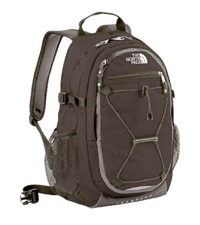
More than 40 million students carry backpacks in America today. Many of these same students carry their backpacks overloaded or improperly resulting in a variety of injuries including neck pain, muscle spasms, tingling hands headaches and lower back pain. This vary pain may result in the increasing possibility of damage on posture and development of the spine. In 2000 the Consumer Product Safety Commission reported nearly 13,000 children were seen in emergency rooms for backpack related injuries.
As parents there are a number of important issues you need to know in order to prevent backpack injury and promote spinal health. When choosing a new backpack, it’s recommended you select ergonomically designed features that enhance safety and comfort.
Picking the Backpack: Here are 7 tips on choosing the best pack for your child.
-
A padded back will minimize direct pressure on the back.
Wide padded shoulder straps which will not hinder circulation to the arms which may cause numbness and tingling.
Waist and chest belts to transfer some weight from the back and shoulders to the trunk and pelvis.
Multiple compartments to better distribute the weight in the backpack.
Reflective material to enhance visibility at night.
Lightweight backpack
Correct Size selection of the pack is important as packs come in different sizes for different age children
-
15% Maximum Weight: This means a child who weighs 100 pounds shouldn't wear a loaded school backpack heavier than 15 pounds.
Load heaviest items closest to the child's back.
Arrange books and materials securely.
Pack only necessary items that you will need for the school day.
If the backpack is too heavy, consider using a book bag on wheels.
-
Wear both straps: By wearing two shoulder straps, the weight of the backpack is better distributed, and a well-aligned symmetrical posture is promoted.
Tighten the straps: Adjust the shoulder straps so that the pack fits snugly to the child's back while still allowing the pack to be put on and taken off easily. A pack that hangs loosely from the back can pull the child backwards and strain muscles.
Put on and remove backpacks carefully. Keep the trunk of your body stable and avoid excessive twisting.
Wear the backpack over the strongest mid-back muscles. Pay close attention to the way the backpack is positioned on the back. It should rest evenly in the middle of the back near the child's center of gravity, and should not extend below the belt for than a couple of inches.
Lift properly using your legs and both hands applying one strap and then the other.
Encourage activity. Children who are active tend to have better muscle flexibility and strength, which makes it easier to carry a backpack.
James Markwica, MS PT is a New York State Licensed Physical Therapist at LaMarco Physical Therapy, 417 Geyser Road in Ballston Spa. For questions of follow-up, contact James at 587-3256 or online at www.lamarcopt.com.